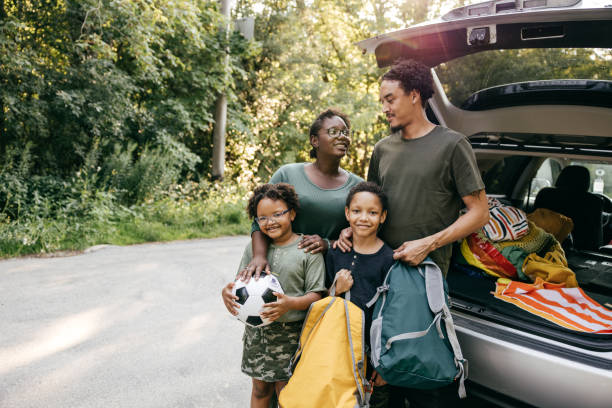
I used to roll my eyes a bit at the phrase how to plan the perfect family vacation because perfect feels like a trap word. Like, who decided perfect meant zero chaos, zero complaints, and everyone smiling at the same time. That has literally never happened in my family. I’ve planned trips where the hotel was great but everyone was tired, and trips where the plan fell apart but somehow those became the favorite memories. After a couple years of writing about travel and living through a few family trips myself, I’ve realized planning is less about control and more about damage control.
Lowering the bar without lowering the experience
This might sound negative, but lowering expectations actually improves trips. Social media makes family travel look like a lifestyle ad. Matching outfits, calm kids, sunsets every night. Meanwhile, real families are arguing about snacks and bathroom breaks. Once you accept that small frustrations are part of the deal, everything feels lighter. I once planned a day so tightly that when one thing ran late, the whole mood collapsed. Now I plan loosely and magically everyone’s happier.
Picking a place that won’t drain everyone by day two
Destination choice is emotional math. Not just cost, but energy levels. Cities look exciting until you realize how much walking they involve. Theme parks sound fun until you calculate the heat, lines, and overstimulation. Beaches and slower towns work for a reason. There’s space to breathe. A lesser-known thing I noticed is that families spend a huge chunk of trips just transitioning. Walking, waiting, sitting in transport. The less exhausting that is, the better the trip feels.
Timing the trip like you time your sleep
When you travel matters more than people admit. Traveling when everyone’s already tired is like grocery shopping when you’re hungry. You make bad decisions and regret them later. Shoulder seasons are underrated. Slightly cheaper, fewer crowds, calmer energy. I once ignored this and booked during peak season thinking we’d push through. We did, but nobody remembers that trip fondly.
Money talk without ruining the vibe
Family trips are sneaky expensive. It’s not one big cost, it’s lots of small ones adding up. One coffee becomes five. One taxi becomes two. I budget the way I budget groceries. Essentials first, fun extras after. Accommodation with a kitchen saves more money than people expect. Eating out every meal sounds fun until you see the final number. Online family travel groups talk about this constantly, and for good reason.
Where you stay affects moods more than views
A fancy view doesn’t matter if everyone’s cramped and cranky. Space beats style for families. Separate sleeping areas reduce tension. Quiet neighborhoods beat central chaos. I’ve stayed in expensive hotels that felt stressful and basic apartments that felt calm. Comfort changes everything.
Planning activities but leaving room for boredom
Overscheduling is the number one mistake. One main activity a day is usually enough. Everything else should be optional. Kids, teens, adults, everyone needs downtime, even if they won’t admit it. Some of our best moments happened on days where nothing was planned and we just wandered or rested.
Letting everyone choose something, even if it’s annoying
Giving everyone a small choice reduces complaints later. A meal, an activity, a stop. It sounds simple, but it works. I used to plan everything myself and then feel annoyed when people weren’t grateful. Turns out people enjoy trips more when they feel included, not managed.
Packing for real life, not photos
Family packing always gets out of hand. The trick isn’t packing less, it’s packing smarter. Shared items help. Comfort items matter more than outfits. And backups. Chargers, snacks, basic medicine. Think of packing like insurance. You don’t need everything, but when you do, you’re glad you brought it.
Transportation choices shape the whole day
Long transfers drain everyone fast. Direct routes cost more but save patience. Rental cars offer freedom but add stress. Public transport saves money but tests moods. There’s no right answer. It depends on who you’re traveling with and how flexible everyone is.
Food is emotional, not logical
Food causes more tension than people admit. Someone’s hungry, someone’s picky, someone wants local food, someone wants familiar. Balance is key. I stopped forcing every meal to be an experience. Sometimes comfort food keeps peace, and peace is valuable.
Talking expectations before the trip
This feels awkward but helps a lot. Talk about wake-up times, budgets, activity levels. People get upset when trips don’t match the picture in their head. Clearing that up early prevents silent frustration later.
Downtime deserves respect
Rest isn’t wasted time. Pool days, slow mornings, movie nights. These moments recharge everyone. Some of the best conversations happen when nothing is scheduled.
When things go wrong, that’s not failure
Missed plans, bad weather, delays. They happen. Some of the funniest stories come from things going wrong. Years later, no one remembers the perfectly executed days.
By the end of every trip, I notice the same thing. Nobody talks about the plan. They talk about how they felt. The second keyword family vacation planning isn’t about controlling every detail. It’s about creating space where everyone feels comfortable enough to enjoy being together. That’s as close to perfect as family travel gets.