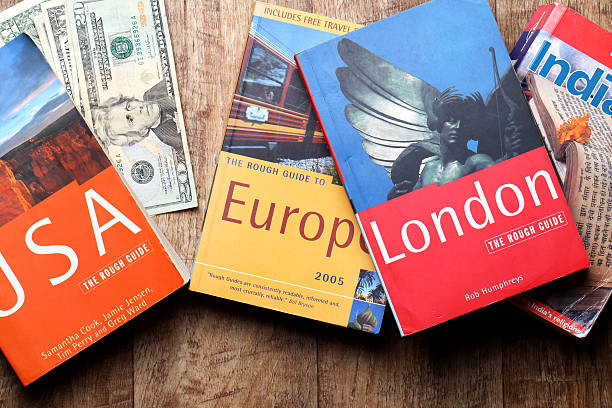
Writing about ultimate travel guides & tips for every destination feels a bit ironic because the more you travel, the more you realize no guide ever survives real life. I’ve been doing this travel writing thing for around two years now, and I still mess up routes, misjudge budgets, and trust online reviews way too much. But that’s kind of the point. Travel isn’t about nailing it perfectly. It’s about figuring things out as you go, usually while slightly tired and mildly hungry.
Every destination looks easy online
Instagram makes every place look simple. Clean streets, empty viewpoints, perfect lighting. What you don’t see is the confusion right before that shot. I once followed a “must-see” location from a viral reel and ended up behind a closed gate with three other confused tourists. Social media chatter lately has shifted though. People are admitting things go wrong, and honestly, it’s refreshing. Travel guides shouldn’t pretend everything works smoothly.
Planning is helpful until it isn’t
Basic planning matters. Flights, accommodation, rough routes. Beyond that, too much planning becomes a burden. It’s like overpacking. You think you’re being responsible, but really you’re just carrying stress around. I usually plan one main thing per day now. Anything else is bonus. Lesser-known stat I read somewhere said travelers who leave open time report higher satisfaction. Makes sense. Freedom feels expensive, but it’s free.
Money mistakes happen everywhere
Budgeting for travel is like grocery shopping without a list. You walk in confident, walk out confused, and somehow spent more than expected. Destination costs vary wildly, even within the same country. Big cities drain money faster than small towns. I’ve spent more on coffee in one European capital than on meals for a whole day elsewhere. Tracking expenses loosely helps. Obsessing ruins the mood.
Local transport is where reality hits
Public transport teaches humility. Maps look simple until you’re standing in the wrong direction holding a ticket you don’t understand. Ride-sharing apps are great until they aren’t available. Walking becomes underrated fast. Some of my best discoveries happened because I got lost and had to walk it out. That’s not a strategy, just a side effect.
Accommodation matters less than you think
People stress too much about where they sleep. As long as it’s safe and reasonably clean, you’ll survive. You’re not there to hang out indoors. I’ve stayed in places that looked questionable online and ended up loving them. Reviews can be dramatic. One bad experience doesn’t define a place. Use common sense and trust patterns, not single complaints.
Food choices can make or break a day
Skipping meals to save money or time is a rookie mistake. Hunger turns good destinations into bad moods. Local food doesn’t need to be fancy. It just needs to be reliable. I follow one rule now. If locals are eating there, it’s probably fine. Chains are predictable but forgettable. Small places create memories.
Cultural misunderstandings are normal
You will mess something up. A gesture, a phrase, a custom. It happens. Most people are forgiving if you’re respectful. Overthinking cultural etiquette causes more stress than actual mistakes. Apologize, smile, move on. I once said the wrong thing at the wrong time and felt awkward for hours. The other person forgot in minutes.
Packing light saves more than money
Extra baggage fees hurt, but carrying too much hurts more. You don’t need options, you need comfort. Pack clothes that work together. Repeat outfits. Nobody cares. Travel fashion is overrated. Comfort wins every time.
Tourist spots aren’t evil
There’s a weird online trend of hating popular places. Yes, they’re crowded. They’re also popular for a reason. Visit early or late, adjust expectations. Don’t skip something just to feel unique. Balance famous spots with quieter ones.
Offline prep still matters
Download maps. Save addresses. Screenshot bookings. Tech fails when you least expect it. I learned this after losing signal in a city I thought was fully connected. Panic is expensive. Preparation is free.
Energy management is real
Travel exhaustion sneaks up quietly. You don’t need to see everything. Rest days aren’t wasted days. Sitting in a café watching life pass by counts as travel too. Burnout ruins trips faster than bad weather.
Social media advice needs filtering
Not all tips apply to you. Influencers travel differently. Different budgets, different timelines. What works for them might not work for you. Use guides as references, not rules.
What actually sticks after the trip
Weeks later, you don’t remember schedules. You remember moments. A conversation, a view, a meal you didn’t expect. That’s why flexibility matters more than perfection.
By the end of enough trips, patterns form. You learn what stresses you and what excites you. That’s when guides stop being instructions and start being suggestions. The second keyword travel tips matter most when they adapt to you, not the destination. Every place teaches you something different, and the best travel guides are the ones you slowly write in your own head.