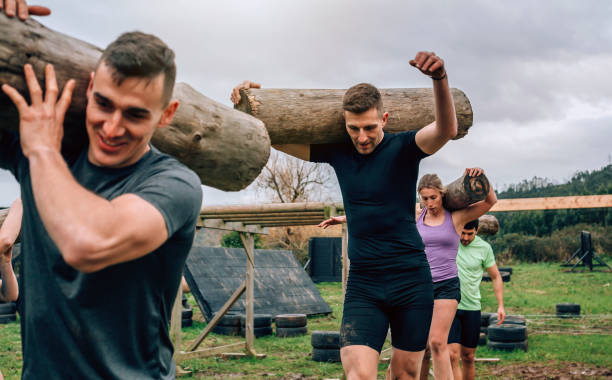
The first time I seriously searched how to train your body for tough outdoor challenges, I was already sore from doing absolutely nothing. That’s usually how it starts. You watch someone online casually hiking a brutal trail, smiling like it’s a morning walk, and you think yeah, I can do that. Then you actually try, and your legs file a formal complaint. Training for outdoor challenges isn’t about becoming superhuman. It’s about not suffering more than necessary, which is a very reasonable goal.
Your body doesn’t care about motivation quotes
This might hurt a little, but your body does not care about your motivation playlist or that one viral reel you saved. Muscles care about consistency. I learned this after doing one intense workout, feeling proud, then doing nothing for a week because I “earned rest.” That’s not how it works. Outdoor training is more like saving money. Small, regular deposits matter more than one dramatic payment followed by silence.
Walking is underrated and everyone forgets that
People jump straight to intense workouts and ignore walking, which is funny because most outdoor challenges involve a lot of it. Long walks build endurance without destroying you. There’s a niche stat floating around fitness forums that regular incline walking can improve cardiovascular endurance almost as well as running, but with less joint stress. That explains why older hikers sometimes outlast younger gym guys. Humbling.
Strength training doesn’t mean becoming bulky
This fear still exists for some reason. Strength training for outdoor challenges is about stability, not size. Strong legs protect knees. Strong core protects your back. I ignored core work for years and paid for it with lower back pain on hikes. Your body is like a backpack. If the frame is weak, everything feels heavier.
Cardio that actually translates outdoors
Not all cardio is equal. Treadmills help, but they don’t teach balance or uneven movement. Stairs are brutal but effective. Hiking with a light pack is even better. I once trained only on flat surfaces and was shocked by how unstable rocky terrain felt. Your lungs might be ready, but your ankles might not be.
Rest days are part of training, not laziness
This took me too long to accept. Rest feels unproductive, especially when social media screams hustle. But muscles rebuild during rest. Skipping it is like driving without refueling. Eventually, things stop working. Overtraining doesn’t look heroic outdoors. It looks like cramps and early exits.
Fuel matters more than people admit
Training hungry is overrated. Food is fuel, not a reward. I tried cutting calories while training and felt dizzy halfway through workouts. Bad plan. Outdoor challenges burn energy fast. Carbs aren’t the enemy here. They’re more like gas for your engine. You wouldn’t start a road trip on empty, right.
Mental training sneaks up on you
Physical strength gets all the attention, but mental fatigue ends more adventures than weak muscles. Long, repetitive training sessions help build patience. Boredom tolerance is a real skill. I’ve noticed people quit training not because it’s hard, but because it’s boring. Learning to stay present when things feel slow helps outdoors when progress isn’t obvious.
Train with discomfort, not pain
There’s a difference. Discomfort teaches adaptation. Pain teaches regret. A little soreness is fine. Sharp pain is not. Online fitness culture sometimes blurs this line, and people get hurt trying to be tough. Tough outdoor challenges reward longevity, not reckless intensity.
Gear can help or hurt your training
Training in the same shoes you’ll use outdoors helps your body adapt. Switching gear last minute is risky. I once trained in cushioned shoes and then wore stiffer boots on a trek. My feet noticed immediately. Consistency matters here too.
Breathing is a skill, somehow
This surprised me. Learning to control breathing during exertion changes everything. Shallow breathing leads to panic. Steady breathing keeps your heart rate manageable. It’s not fancy, just awareness. Try hiking while focusing on breath rhythm. It feels awkward at first, then calming.
Social media makes training look faster than it is
People post results, not routines. Nobody uploads the boring weeks. That messes with expectations. Real progress is slow and quiet. If you’re improving slightly every week, you’re doing it right, even if it doesn’t feel dramatic.
Training outdoors beats indoors when possible
Gyms are convenient, but outdoor training prepares you better mentally. Weather, uneven ground, distractions. All part of it. I started doing some workouts outside and noticed my confidence improve. You get used to unpredictability, which is basically the whole point.
Toward the end of training cycles, I usually notice small wins. Less soreness, better balance, steadier breathing. That’s how you know it’s working. Not when it looks impressive, but when it feels manageable.
As challenges get closer, mindset matters more than intensity. You don’t need extreme routines. You need consistency, recovery, and patience. The second keyword outdoor fitness training isn’t about pushing nonstop. It’s about preparing your body to handle stress calmly, so when things get tough out there, your body doesn’t panic before you do.