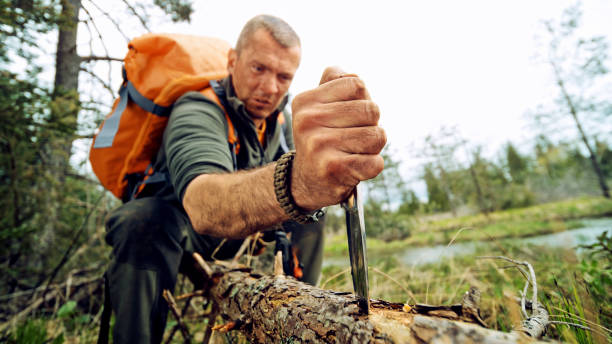
Survival Skills Every Adventurer Should Master
The phrase survival skills every adventurer should master sounds intense, like you’re about to be dropped into the wild with nothing but a knife and confidence. In reality, it’s way less dramatic and way more practical. I learned this slowly, mostly through small mistakes that didn’t make it onto Instagram. Like the time I thought “I’ll just follow the trail” and realized an hour later that trails can disappear very casually, like they were never serious to begin with.
Getting lost happens faster than people admit
Nobody plans to get lost. It just… happens. One wrong turn, one moment of distraction, one trail that looks exactly like the other five. A lesser-known fact I read in an outdoor safety forum said most people get lost within a mile of where they started. That blew my mind. Survival starts with staying calm. Panic burns energy like leaving your car engine running all night. Slow down, breathe, look around properly. Your brain works better when you’re not spiraling.
Fire is comfort, not just heat
People talk about fire like it’s some dramatic survival movie thing. In real life, it’s mostly about comfort. Warmth, light, cooking, and honestly morale. I once spent a cold evening without fire thinking I’d be fine. I was not fine. Fire makes you feel human again. Learning to start one without depending on fancy gear is underrated. Matches get wet. Lighters fail. Your patience will be tested.
Water changes everything
You can survive without food longer than without water, and yet beginners obsess over snacks first. Clean water affects energy, focus, and mood. There’s this quiet stat floating around that mild dehydration can reduce physical performance by up to twenty percent. That explains a lot of bad decisions I’ve made. Knowing how to find, filter, or at least treat water matters more than knowing how to cook something fancy.
Shelter doesn’t need to look impressive
Shelter is about staying dry and protected, not winning design awards. Social media makes it look like you need elaborate setups. You don’t. Even a basic windbreak changes everything. Once I underestimated weather because the sky looked “fine.” Lesson learned. Wind and rain don’t care about optimism. A simple shelter buys you time and rest, which is basically survival currency.
Your brain is part of the gear
Mental strength doesn’t get enough credit. Physical skills are useless if your mind gives up early. Boredom, fear, frustration, they sneak in quietly. I’ve noticed people quit mentally long before they’re actually in trouble. Breaking time into small chunks helps. Focus on the next task, not the whole situation. It’s like paying off debt. You don’t stare at the total, you handle one payment at a time.
Navigation is more than GPS
Phones are great until they aren’t. Batteries die. Signals vanish. Knowing basic navigation without tech feels old-school, but it works. Reading terrain, understanding the sun, paying attention to landmarks. I ignored this stuff until my phone decided to go into battery saver mode permanently. That walk back felt longer than it needed to be.
First aid isn’t just for emergencies
First aid skills aren’t only for dramatic injuries. Blisters, small cuts, muscle strain. These small things end trips early. I used to ignore hot spots on my feet. Big mistake. Five minutes of care saves hours of pain later. It’s boring, but effective. Like flossing. Nobody likes it, but skipping it catches up to you.
Food is fuel, not entertainment
Survival food isn’t about enjoyment. It’s about energy. I once packed food I didn’t like because it was “efficient.” That backfired. If you don’t want to eat it, you won’t. Your body needs calories to think clearly. Simple, familiar food works best. This isn’t the time to experiment.
Weather awareness saves energy
Weather shifts faster than expected, especially in remote areas. Clouds change, wind picks up, temperatures drop. Paying attention early saves effort later. There’s been a lot of online chatter lately about people underestimating weather because apps said “clear.” Apps are guesses. Nature is not.
Knowing when to stop is a skill
Pushing through everything is overrated. Knowing when to stop, rest, or turn back is real skill. Pride ruins more trips than lack of strength. I’ve turned back before and felt disappointed for about ten minutes. Later, I felt grateful. Survival isn’t about proving something. It’s about making it back safely.
Practice beats theory every time
Reading about survival is helpful, but doing small practice runs matters more. Try lighting a fire on a calm day. Try setting shelter before you need it. Confidence comes from familiarity, not bravery. Online comments love dramatic scenarios, but most real situations are quiet and manageable if you’re prepared.
Why simple skills matter more than fancy ones
People love advanced techniques. Traps, tools, complicated setups. Basic skills save more lives. Staying warm, hydrated, oriented, and calm. Everything else is optional. Think of it like personal finance. Budgeting basics matter more than complex investments when things go wrong.
Near the end of any trip, I usually reflect on what actually mattered. It’s rarely the fancy stuff. It’s the basics done well. That’s where real confidence comes from.
When people talk about outdoor trips now, I notice a shift. Less bravado, more preparation. The second keyword outdoor survival skills isn’t about fear or extremes. It’s about respect. Respect for nature, for limits, and for the fact that small skills practiced early prevent big problems later.